
16 Oct
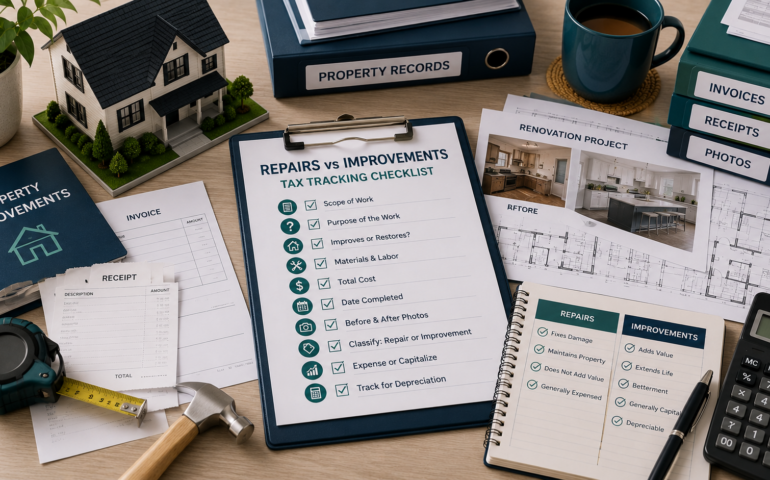
Rental Property Improvements: How to Track Renovations for Tax Preparation
Repairs vs Improvements • Renovation Tracking • Tax Savings Review Rental Property Improvements: How to Track Renovations for Tax Preparation Rental property renovations can create valuable records for tax preparation, but only if the expenses are tracked clearly. Contractor invoices,
14 Oct

Should You Split One Property Into Multiple Replacement Properties?
Splitting one appreciated property into multiple replacement properties may help diversify a portfolio, but it can also increase complexity. This article explains what investors should review.
09 Oct
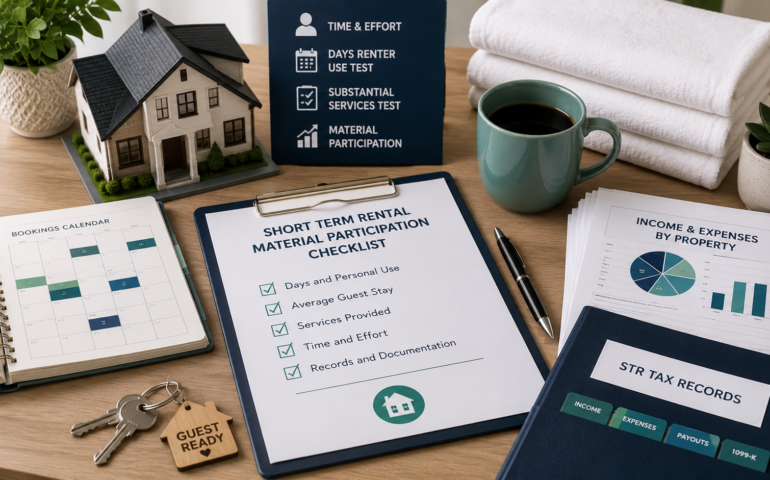
Short Term Rental Material Participation: What Airbnb Owners Should Discuss With a Tax Professional
Airbnb Taxes • STR Tax Services Short Term Rental Material Participation: What Airbnb Owners Should Discuss With a Tax Professional Material participation can be one of the most misunderstood short-term rental tax topics. If you own an Airbnb or STR,
07 Oct

How Concentration Risk Affects Real Estate Investors
Concentration risk can affect real estate investors when too much wealth depends on one property, market, tenant type, or strategy. This article explains what to review before an exchange.
30 Sep

Should You Consolidate Multiple Rentals Into One Better Property?
Some investors use a 1031 exchange to consolidate several smaller rentals into one stronger property. This article explains when consolidation may help and what risks to review.
25 Sep
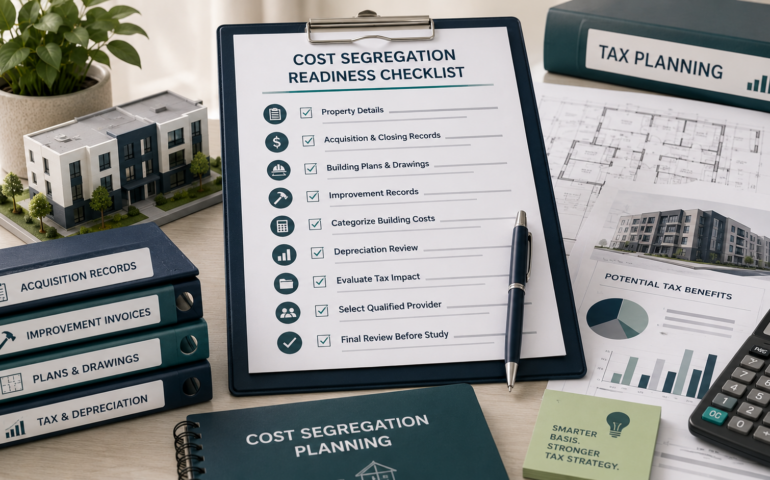
Cost Segregation Readiness Checklist Before Paying for a Formal Study
Cost Seg Readiness • Depreciation Review • Tax Savings Review Cost Segregation Readiness Checklist Before Paying for a Formal Study A cost segregation study can be a valuable tax planning tool for some real estate investors, but it is not
23 Sep

Why Replacement Property Qualification Is Not the Same as Strategy
A replacement property can qualify for a 1031 exchange but still be the wrong financial choice. This article explains why qualification and strategy are not the same.
16 Sep

What Should Your Replacement Property Actually Do?
A replacement property should do more than satisfy 1031 exchange rules. This article explains how investors can define the purpose of the next property before choosing what to buy.
11 Sep
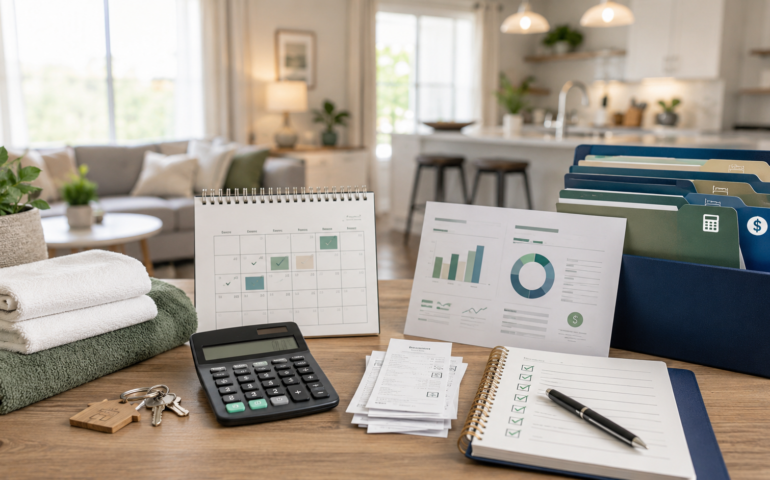
Airbnb Tax Records: What Hosts Should Save Before Filing Taxes
Airbnb Tax Records • STR Tax Services Airbnb Tax Records: What Hosts Should Save Before Filing Taxes Airbnb and short-term rental hosts need more than a payout total before filing taxes. Clean records for income, fees, refunds, supplies, cleaning, repairs,
09 Sep

How to Build a Sell, Refinance, or Exchange Decision Framework
Before selling rental property, investors should compare selling, refinancing, and a 1031 exchange using a clear decision framework based on taxes, equity, debt, cash flow, risk, and goals.