Airbnb Tax Records: What Hosts Should Save Before Filing Taxes
Airbnb and short-term rental hosts need more than a payout total before filing taxes. Clean records for income, fees, refunds, supplies, cleaning, repairs, guest stays, and property use can make tax preparation smoother and help reduce last-minute questions.
Short-term rental tax preparation can become complicated quickly because Airbnb hosts often have more moving parts than traditional landlords. You may have platform payouts, service fees, cleaning fees, refunds, occupancy taxes, guest supplies, furniture, repairs, improvements, personal use days, and multiple booking sources.
A payout report alone may not tell the full tax story. Your tax preparer may need to understand gross income, host fees, refunds, direct bookings, platform reports, deductible expenses, depreciation items, and whether the activity should be reviewed as a rental activity or a business activity depending on services provided.
This guide explains the Airbnb tax records hosts should save before filing taxes and how organized records can help with Airbnb & Short-Term Rental Tax Services, bookkeeping cleanup, depreciation review, and rental tax preparation.
Quick Guide
Why Airbnb Tax Records Matter Before Filing
Airbnb and short-term rental records matter because the tax return needs to show income, expenses, and property activity clearly. A host may receive a platform report or information return, but that does not always mean every tax category is already organized in the way the return needs it.
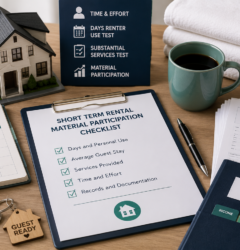
For many rental property owners, rental real estate activity is generally reported on Schedule E. However, short-term rental facts can vary. If the host provides substantial services primarily for guest convenience, the reporting may need closer review. This is one reason organized records are important before filing.
Good recordkeeping also helps answer planning questions. For example, your tax preparer may need to review whether certain costs are supplies, repairs, improvements, depreciable assets, or personal expenses. If you use the property personally, the number of rental days and personal use days may also matter.
Income and Payout Records Airbnb Hosts Should Save
Start with income records. Your tax preparer needs to understand how much income was earned, what fees were deducted, whether refunds occurred, and whether you used more than one booking source.
Platform Payout Reports
Save annual and monthly payout reports from each booking platform. These reports can help show gross booking income, host fees, cleaning fees, refunds, adjustments, and net payouts.
Form 1099-K or Other Tax Forms
If you receive a Form 1099-K or other income statement, save it with your tax records. The income still needs to be reconciled to your actual platform reports and bank deposits.
Direct Booking Records
If guests paid by check, cash, payment app, direct website, or invoice, keep a separate summary so direct bookings are not missed.
Bank Deposit Support
Keep bank statements or deposit records showing where rental income was received. This helps reconcile platform reports to actual deposits.
Income records to save
- Annual payout reports from each booking platform.
- Monthly payout summaries for busy rental periods.
- Gross booking income reports, not just net deposits.
- Host service fees and platform fee details.
- Refunds, cancellations, adjustments, and chargebacks.
- Cleaning fees collected from guests.
- Occupancy-related tax reports or platform-collected tax summaries.
- Direct booking income and payment records.
- Form 1099-K or other tax forms received from platforms or processors.
Expense Records Short-Term Rental Hosts Should Keep
Short-term rental expenses can be more detailed than long-term rental expenses because hosts often provide hospitality-related items. Your tax preparer may need to separate recurring operating costs from repairs, supplies, improvements, furnishings, and depreciable assets.
| Record Type | Examples to Save | Why It Matters |
|---|---|---|
| Cleaning and Turnover | Cleaner invoices, laundry receipts, cleaning supplies, trash service, and turnover notes. | These costs are common for STR hosts and should be separated from guest cleaning fees collected. |
| Guest Supplies | Toiletries, paper goods, coffee, kitchen supplies, linens, towels, soaps, and welcome items. | Supplies can add up quickly and may be missed if receipts are not saved. |
| Repairs and Maintenance | Plumbing repairs, appliance service, lock repairs, small handyman work, pest control, and routine maintenance. | Repair records help support ordinary property maintenance and reduce confusion with improvements. |
| Furniture and Appliances | Beds, sofas, dining sets, televisions, refrigerators, washers, dryers, mattresses, and décor. | Larger purchases may need depreciation review instead of being treated as simple supplies. |
| Utilities and Services | Electric, water, internet, cable, phone, security, landscaping, pool service, and pest control. | STR owners often pay utilities directly, so these costs should be tracked clearly. |
| Professional and Platform Costs | Bookkeeping, tax preparation, photography, listing setup, software, channel manager fees, and property management fees. | These costs may be deductible if they are ordinary and necessary for the rental activity. |
Want a Simple STR Tax Prep Starting Point?
Download the free Rental Property Tax Savings Checklist to help organize Airbnb income, expenses, repairs, improvements, depreciation records, and tax documents before filing.
Save Guest Stay, Personal Use, and Property-Use Records
Airbnb and vacation rental hosts should keep records showing how the property was used. This is especially important if the owner, family, friends, or related parties also used the property during the year.
Tax treatment can depend on rental days, personal use days, the type of property, services provided, and whether expenses need to be limited or allocated. Your tax preparer may ask for a calendar, booking report, or property-use summary.
Property-use records to save
- Booking calendar showing guest stays and blocked dates.
- Number of nights rented to guests.
- Number of owner personal use days.
- Days used by family, friends, or related parties.
- Maintenance days or unavailable days.
- Dates the property was first available for rent.
- Dates the property was removed from rental use, if applicable.
- Records for mixed-use properties, such as renting only part of a home.
If you are unsure whether your activity belongs on Schedule E, Schedule C, or needs additional review because of guest services, personal use, or multiple properties, visit our Airbnb & Short-Term Rental Tax Services page.
Do Not Forget Repairs, Improvements, and Depreciation Records
Airbnb hosts often purchase items that look like ordinary rental expenses but may need closer review. Furniture, appliances, mattresses, flooring, renovations, security systems, and major repairs may affect depreciation, basis, or repairs-versus-improvements classification.
Save Large Purchase Details
Keep receipts for furniture, appliances, electronics, mattresses, fixtures, and larger guest-use items. Include when the item was placed in service for the rental.
Separate Repairs From Improvements
A small repair may be treated differently from a renovation, restoration, or upgrade. Clear invoices help your tax preparer review the correct treatment.
Keep Prior Depreciation Schedules
If this is not your first year filing for the property, save prior depreciation schedules so current-year reporting can be reviewed consistently.
Track Property Basis Records
Purchase documents, closing statements, improvements, and prior depreciation records may matter for future sale planning or depreciation review.
If you are concerned that furniture, appliances, renovations, or prior depreciation may not have been handled correctly, consider a Real Estate Depreciation Tax Savings Review.
Airbnb Tax Records Checklist Before Filing
Use this checklist to organize your Airbnb or short-term rental records before sending them for tax preparation.
- Annual payout reports from Airbnb and any other booking platforms.
- Gross income reports, not only net bank deposits.
- Form 1099-K or other income forms, if received.
- Direct booking income records and payment app summaries.
- Refunds, cancellations, chargebacks, and adjustment reports.
- Platform fees, host fees, and property management fees.
- Cleaning invoices, laundry costs, and turnover expenses.
- Guest supplies, toiletries, coffee, paper goods, and kitchen supplies.
- Repairs, maintenance, handyman invoices, and service calls.
- Furniture, appliance, décor, electronics, and linen purchases.
- Utility bills, internet, security, landscaping, and pool service records.
- Insurance, mortgage interest, property tax, and HOA documents.
- Booking calendar showing rental nights and blocked dates.
- Personal use days and owner stay records.
- Mileage, travel, or property visit records, if applicable.
- Prior-year depreciation schedules and fixed asset records.
- Notes for unusual transactions, reimbursements, damages, or guest claims.
When Airbnb Bookkeeping Cleanup May Be Needed
If you only have screenshots, bank deposits, or a pile of receipts, your tax preparer may need bookkeeping cleanup before the return can be prepared. Cleanup can help separate income, fees, refunds, expenses, supplies, repairs, improvements, owner transfers, and personal charges.
Bookkeeping cleanup is especially helpful if you:
- Use multiple booking platforms.
- Have direct bookings outside the platform.
- Use one bank account for personal and rental activity.
- Do not reconcile platform payouts to bank deposits.
- Purchased furniture, appliances, or renovations during the year.
- Have missing receipts or vague expense categories.
- Need help separating repairs from improvements.
If your records need cleanup before filing, review our Rental Property Bookkeeping Cleanup service.
How Small Business Accounting Inc. Can Help Airbnb Hosts
Small Business Accounting Inc. provides remote tax and accounting support nationwide for Airbnb hosts, short-term rental owners, landlords, real estate investors, and property owners. We help organize STR records so tax preparation is clearer and less stressful.
Airbnb and STR Tax Preparation
We help review short-term rental income, expenses, guest records, personal use, and tax reporting questions before filing.
Bookkeeping Cleanup
We help organize messy records, categorize transactions, reconcile payouts, and separate personal items from rental activity.
Depreciation Review
We review furniture, appliances, improvements, prior depreciation schedules, and potential property basis questions.
Real Estate Tax Planning
We help hosts think through rental records, repairs, improvements, depreciation, and planning questions for future decisions.
For STR-specific help, visit our Airbnb & Short-Term Rental Tax Services page. For broader property-owner support, visit our Real Estate Tax & Accounting hub page.
Special Note on Cost Segregation for STR Owners
Some short-term rental owners ask whether cost segregation may apply, especially after purchasing a higher-value property, completing renovations, or furnishing a rental for guest use. Cost segregation may be worth discussing in some situations, but it requires careful review.
Small Business Accounting Inc. does not prepare engineering-based cost segregation studies in-house. When a formal cost segregation study is appropriate, we can help clients understand the tax impact, coordinate with a qualified third-party provider, and properly use the final report for tax planning and filing.
Learn more about related support here: Cost Segregation Tax Planning.
Need Help Organizing Airbnb Tax Records Before Filing?
If your Airbnb records include platform reports, direct bookings, guest supplies, furnishings, repairs, improvements, or personal use questions, a tax review can help organize the file before filing.
Frequently Asked Questions
What tax records should Airbnb hosts save?
Airbnb hosts should save payout reports, Form 1099-K if received, direct booking records, bank deposits, cleaning invoices, supply receipts, repairs, improvements, furniture purchases, utility bills, booking calendars, and personal use records.
Is an Airbnb payout report enough for tax preparation?
Usually, a payout report is only part of the file. Your tax preparer may also need fee details, refunds, adjustments, direct booking income, bank statements, expense receipts, depreciation records, and property-use information.
Do Airbnb hosts need to save receipts for supplies?
Yes. Hosts should save receipts for guest supplies, toiletries, paper goods, linens, towels, coffee, cleaning products, kitchen items, and other recurring rental-related purchases.
Should Airbnb furniture and appliances be tracked separately?
Yes. Furniture, appliances, electronics, mattresses, and larger purchases may need depreciation review. Save the receipt, date purchased, date placed in service, and property address.
What if I use my Airbnb personally during the year?
Keep a calendar showing guest rental days, personal use days, owner stays, family stays, blocked dates, and maintenance days. Personal use can affect how expenses are reviewed.
Can Small Business Accounting Inc. help Airbnb hosts nationwide?
Yes. Small Business Accounting Inc. provides remote tax and accounting services nationwide for Airbnb hosts, short-term rental owners, landlords, and real estate investors. Hawaii and Oahu clients may ask about local appointment availability when appropriate.