
10 Aug
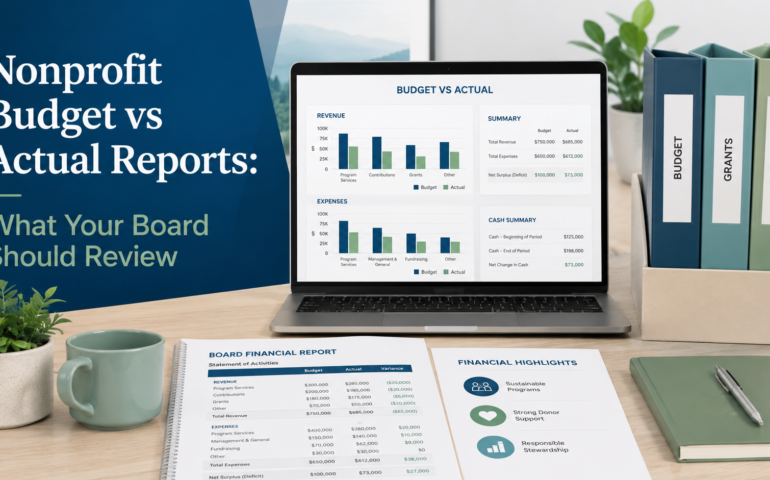
Nonprofit Budget vs Actual Reports for Boards
Nonprofit Budget vs Actual Reports: What Your Board Should Review A nonprofit budget is only useful if leadership reviews it against what is actually happening. That is where the budget vs actual report becomes one of the most important financial
07 Aug

When Should a Landlord Consider a Cost Segregation Study?
Cost Seg Readiness • Depreciation Review When Should a Landlord Consider a Cost Segregation Study? A cost segregation study can be a powerful planning tool for some rental property owners, but it is not automatically the right move for every
05 Aug
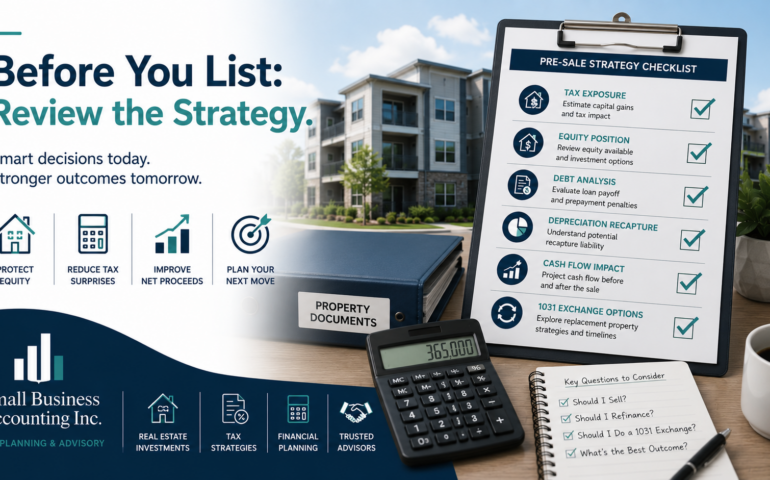
What to Review Before Listing an Appreciated Rental Property
Before listing an appreciated rental property, investors should review tax exposure, equity, debt, cash flow, replacement property options, and long-term goals.
Nonprofit Recordkeeping: Organize Receipts and Invoices
How Nonprofits Should Organize Receipts, Invoices, and Supporting Documents Good nonprofit bookkeeping is not only about entering numbers into QuickBooks Online. The numbers also need support. When a board member, grantor, tax preparer, executive director, or treasurer asks why a
31 Jul
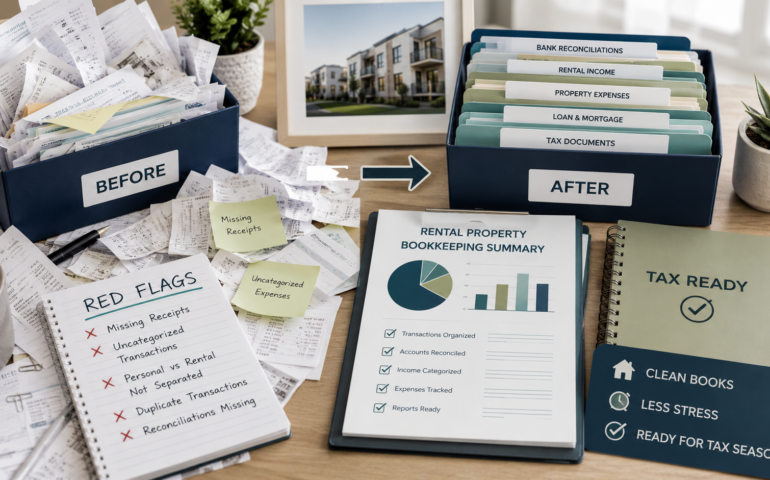
Rental Property Bookkeeping Red Flags That Can Delay Tax Preparation
Rental Bookkeeping Cleanup Rental Property Bookkeeping Red Flags That Can Delay Tax Preparation Rental tax preparation becomes much harder when the books are not clean. If income, expenses, deposits, mortgage payments, repairs, and property records are mixed together, your tax
29 Jul

How Rental Property Equity Can Become Investment Fuel
Appreciated rental property can create equity, but that equity needs a job. This article explains how investors can think about equity as capital for future strategy.
27 Jul
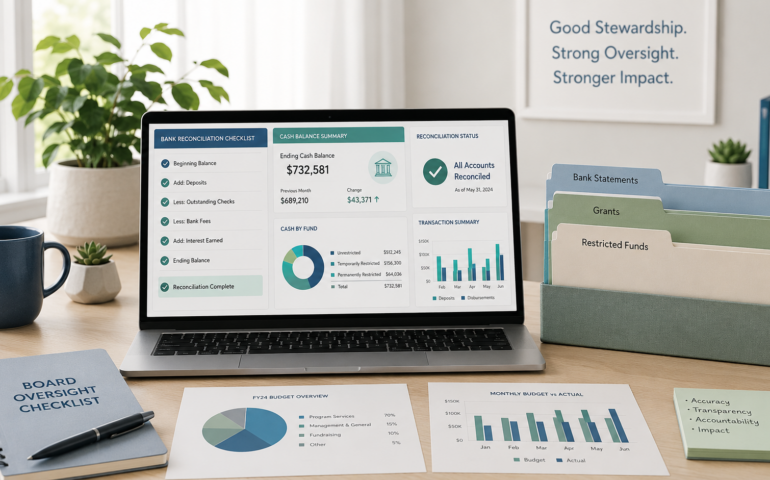
Nonprofit Bank Reconciliations for Board Oversight
Nonprofit Bank Reconciliations: Why They Matter for Board Oversight Bank reconciliations may not sound exciting, but they are one of the most important parts of nonprofit bookkeeping. For a nonprofit board, reconciled books help answer a very basic question: can
24 Jul
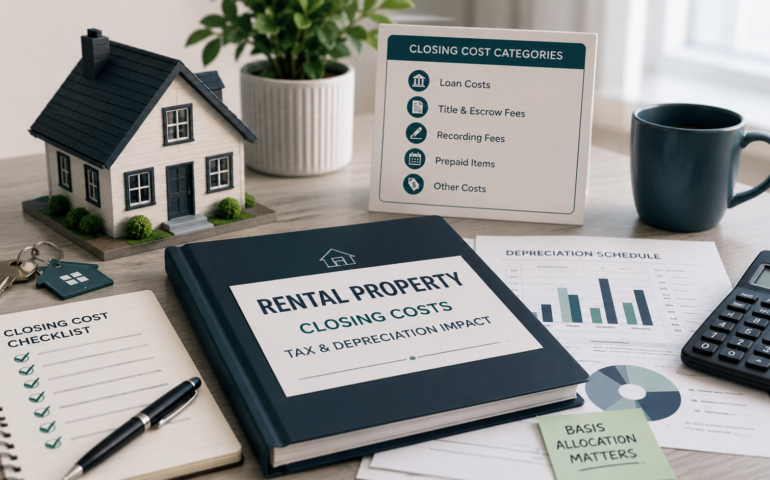
Rental Property Closing Costs: Which Items May Affect Taxes and Depreciation
Depreciation • Cost Basis • Tax Savings Review Rental Property Closing Costs: Which Items May Affect Taxes and Depreciation When you buy a rental property, the closing statement is more than a purchase document. It can affect your cost basis,
22 Jul
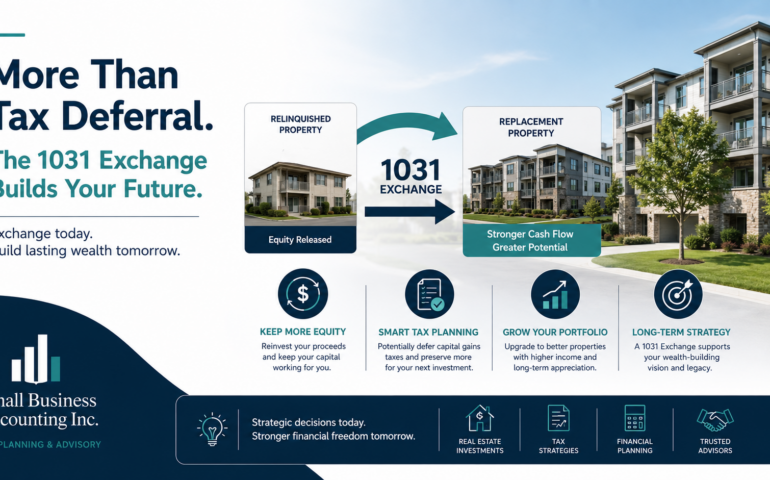
Why a 1031 Exchange Is More Than a Tax Deferral Rule
A 1031 exchange can defer tax, but strategic investors should also think about equity, replacement property, buying power, risk, and long-term real estate wealth planning.
20 Jul
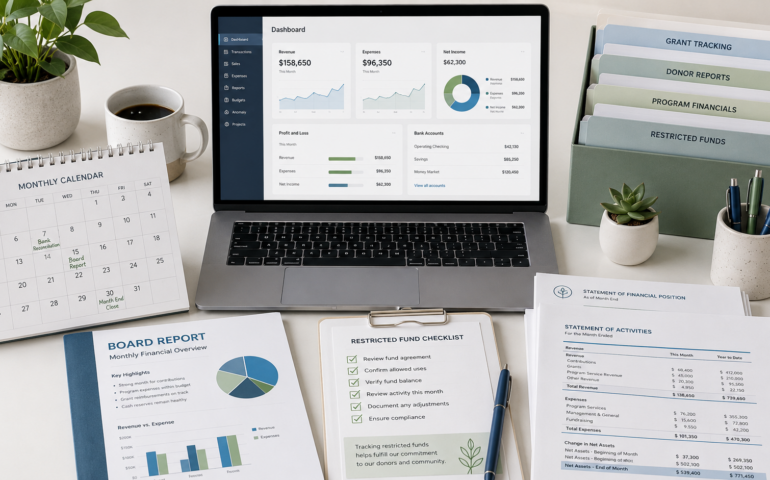
Monthly Nonprofit Bookkeeping Prevents Year-End Stress
Monthly Nonprofit Bookkeeping: Why Waiting Until Year-End Creates Problems Many nonprofits wait until year-end to deal with bookkeeping because the organization is busy serving its mission. Donations are coming in, programs are running, grants need attention, volunteers need coordination, and