
25 Sep
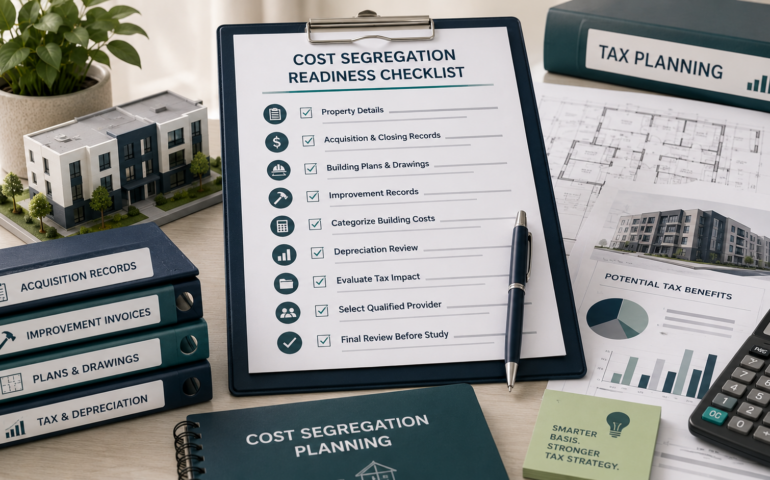
Cost Segregation Readiness Checklist Before Paying for a Formal Study
Cost Seg Readiness • Depreciation Review • Tax Savings Review Cost Segregation Readiness Checklist Before Paying for a Formal Study A cost segregation study can be a valuable tax planning tool for some real estate investors, but it is not
23 Sep
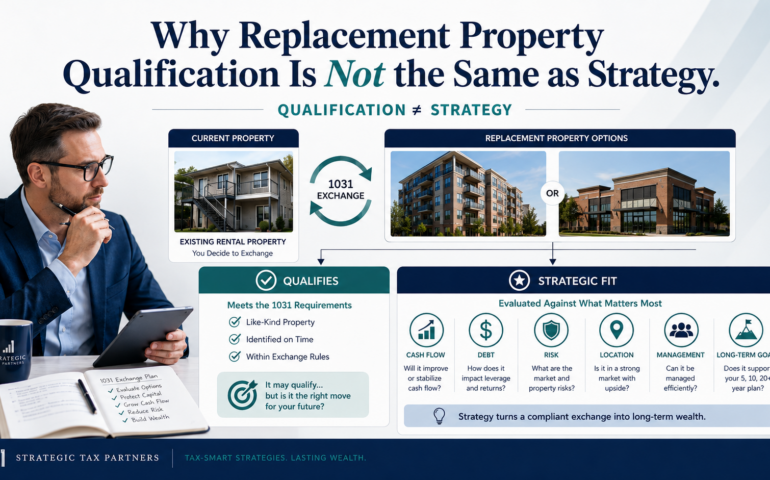
Why Replacement Property Qualification Is Not the Same as Strategy
A replacement property can qualify for a 1031 exchange but still be the wrong financial choice. This article explains why qualification and strategy are not the same.
21 Sep
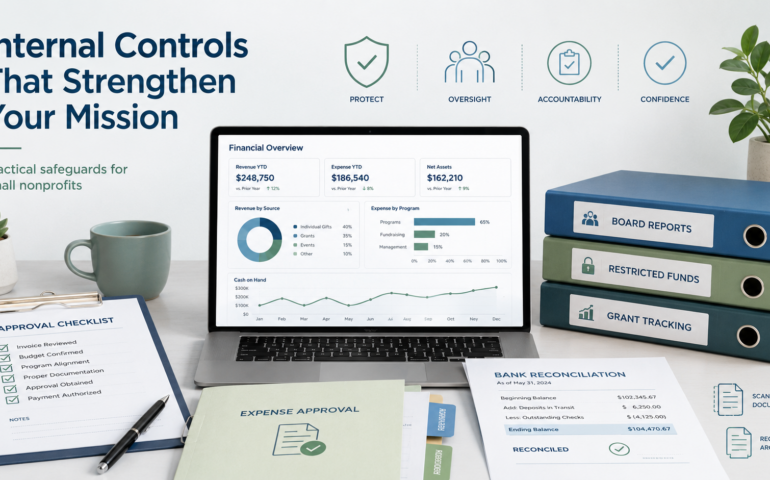
Nonprofit Internal Controls: Simple Steps That Help
Nonprofit Internal Controls: Simple Steps for Small Organizations Internal controls may sound like something only large nonprofits need, but small organizations need them too. A nonprofit does not need a complicated finance department to build better habits around approvals, receipts,
18 Sep
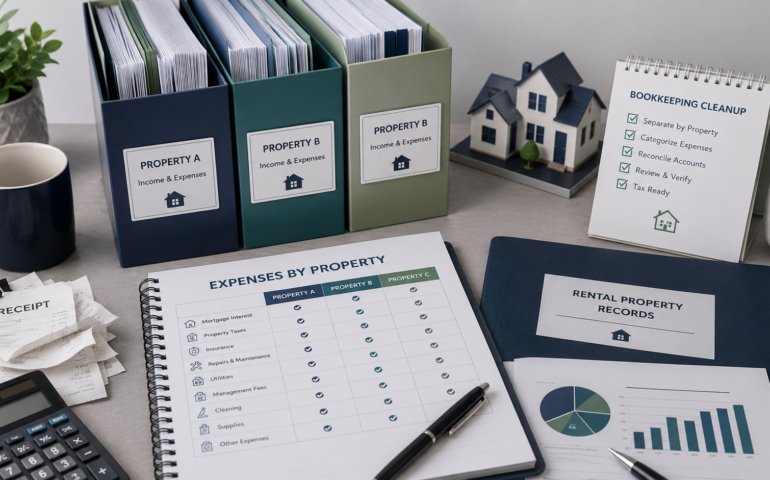
How to Separate Rental Property Expenses by Property Before Tax Time
Rental Bookkeeping • Tax-Ready Records How to Separate Rental Property Expenses by Property Before Tax Time If you own more than one rental property, one of the most helpful things you can do before tax time is separate income, expenses,
16 Sep
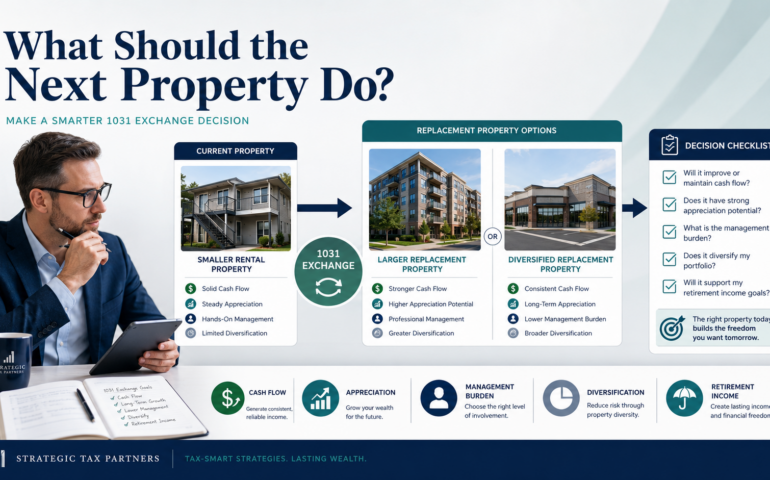
What Should Your Replacement Property Actually Do?
A replacement property should do more than satisfy 1031 exchange rules. This article explains how investors can define the purpose of the next property before choosing what to buy.
14 Sep
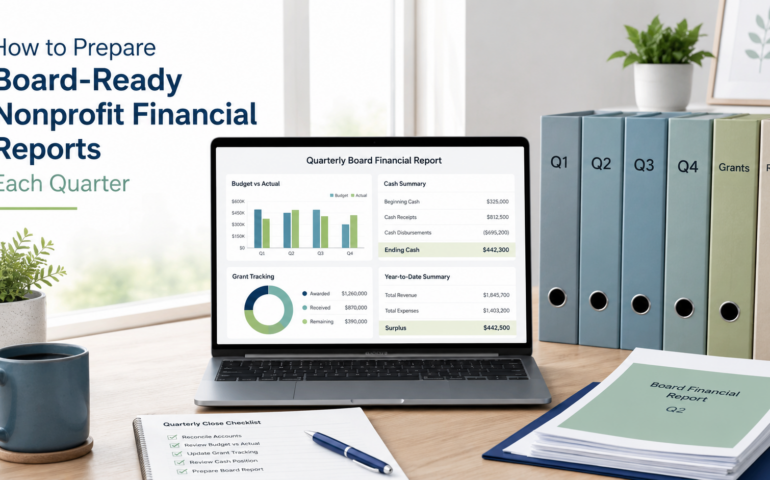
Quarterly Nonprofit Board Reports: What to Include
How to Prepare Board-Ready Nonprofit Financial Reports Each Quarter Quarterly financial reports can help a nonprofit board see the bigger picture without waiting until year-end. When reports are prepared clearly, the board can review cash, budget performance, grants, restricted funds,
11 Sep
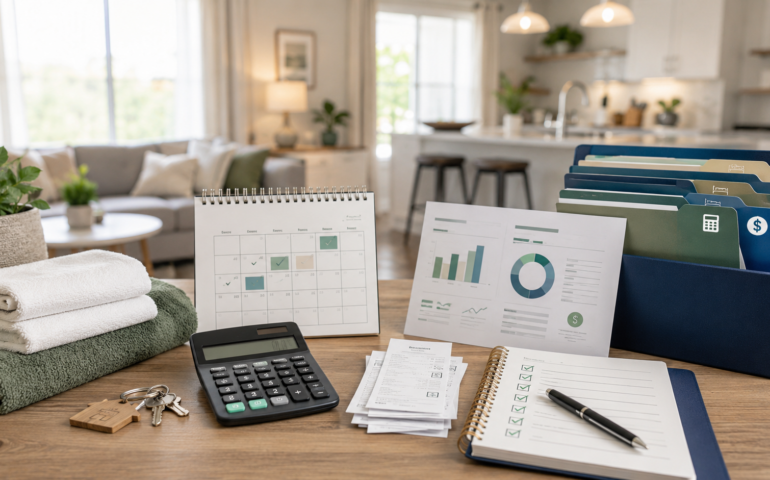
Airbnb Tax Records: What Hosts Should Save Before Filing Taxes
Airbnb Tax Records • STR Tax Services Airbnb Tax Records: What Hosts Should Save Before Filing Taxes Airbnb and short-term rental hosts need more than a payout total before filing taxes. Clean records for income, fees, refunds, supplies, cleaning, repairs,
09 Sep
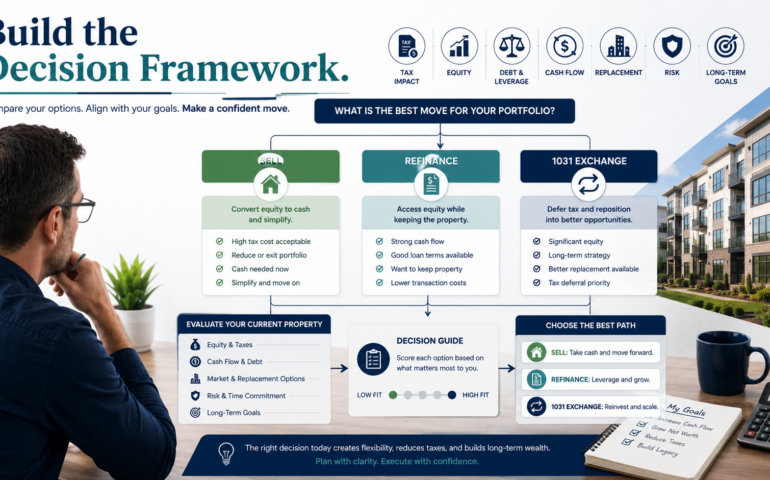
How to Build a Sell, Refinance, or Exchange Decision Framework
Before selling rental property, investors should compare selling, refinancing, and a 1031 exchange using a clear decision framework based on taxes, equity, debt, cash flow, risk, and goals.
07 Sep
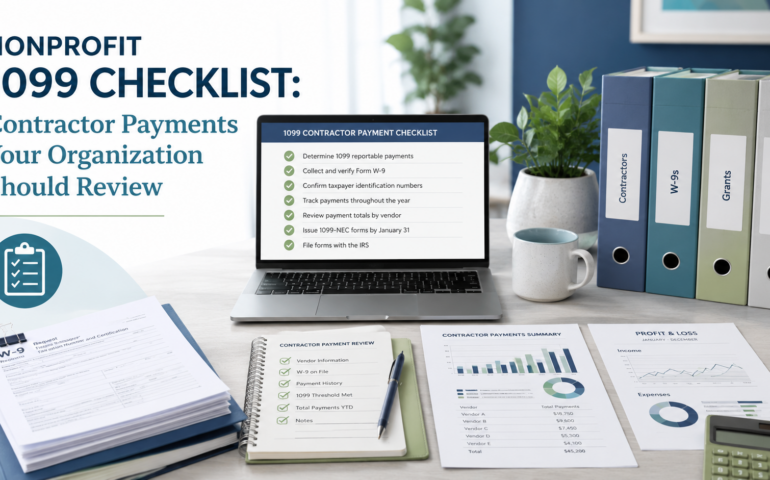
Nonprofit 1099 Checklist for Contractor Payments
Nonprofit 1099 Checklist: Contractor Payments Your Organization Should Review Nonprofits often rely on contractors, consultants, bookkeepers, grant writers, speakers, musicians, web designers, program support providers, maintenance workers, and other outside vendors. Those payments can be easy to make during the
04 Sep
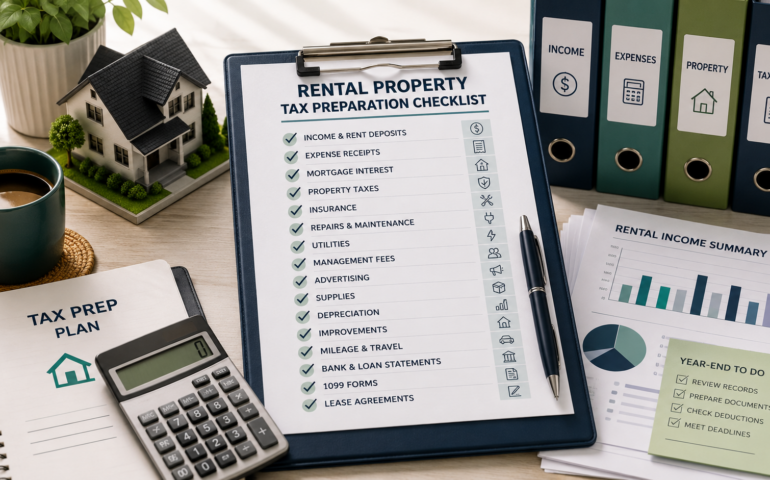
Rental Property Tax Preparation Checklist for Landlords and Real Estate Investors
Rental Tax Prep • Landlord Checklist • Tax-Ready Records Rental Property Tax Preparation Checklist for Landlords and Real Estate Investors Rental property tax preparation is easier when income, expenses, mortgage records, depreciation schedules, repairs, improvements, and bookkeeping reports are organized